I’m back in Hong Kong. The woman at check-in tells me it’s my 35th visit to the hotel. Still feels like I’ve barely scratched the surface. As always, I’m staying on the Kowloon side staring across Victoria Harbour at that skyline — a skyline so indecently gorgeous it ought to come with a surgeon general’s warning. It’s a full-body, ball-tingling kind of view, all neon, ghosts, and endless possibilities waiting to happen.Tonight there’s a table waiting at the China Club, up in that old Bank of China building where 1930s Hong Kong never quite got the memo that time moved on. White-jacketed waiters, clattering dim sum trolleys, walls crowded with art and stories, the whole room humming with money, memory, and the quiet knowledge that empires rise and fall, but dinner still hits the table on time. Hong Kong has never promised happiness, only intensity — and somewhere between Kowloon and that dining room, I keep coming back to find out which one I’m really hungry for.Dinner at the China Club feels less like a meal and more like stepping into a very specific fantasy of Old Hong Kong—one that smells like roast goose fat, jasmine tea, and money. You sit down and the room is all lacquered wood, clinking glasses, waiters in starched jackets moving with the bored efficiency of men who’ve seen every version of you walk through here before. The menu reads like a greatest-hits record of Cantonese decadence: Peking duck with skin that shatters under your teeth, honeyed char siu that walks the line between sugar and smoke, roast goose so crisp and fatty it should probably come with a cardiologist’s business card stapled to the plate.We start with dim sum—har gow with skins just translucent enough, siu mai hiding whole prawns like a magic trick, shrimp toast that tastes like every iffy decision you’ve ever made at 3 a.m., done here with white-tablecloth precision. Someone at the table insists on abalone, and a soup that’s been quietly simmering its way toward transcendence somewhere in the bowels of the building—beef brisket and hand-pulled noodles, or a delicate consommé with a single perfect crab claw, the kind of detail you remember years later for no good reason.
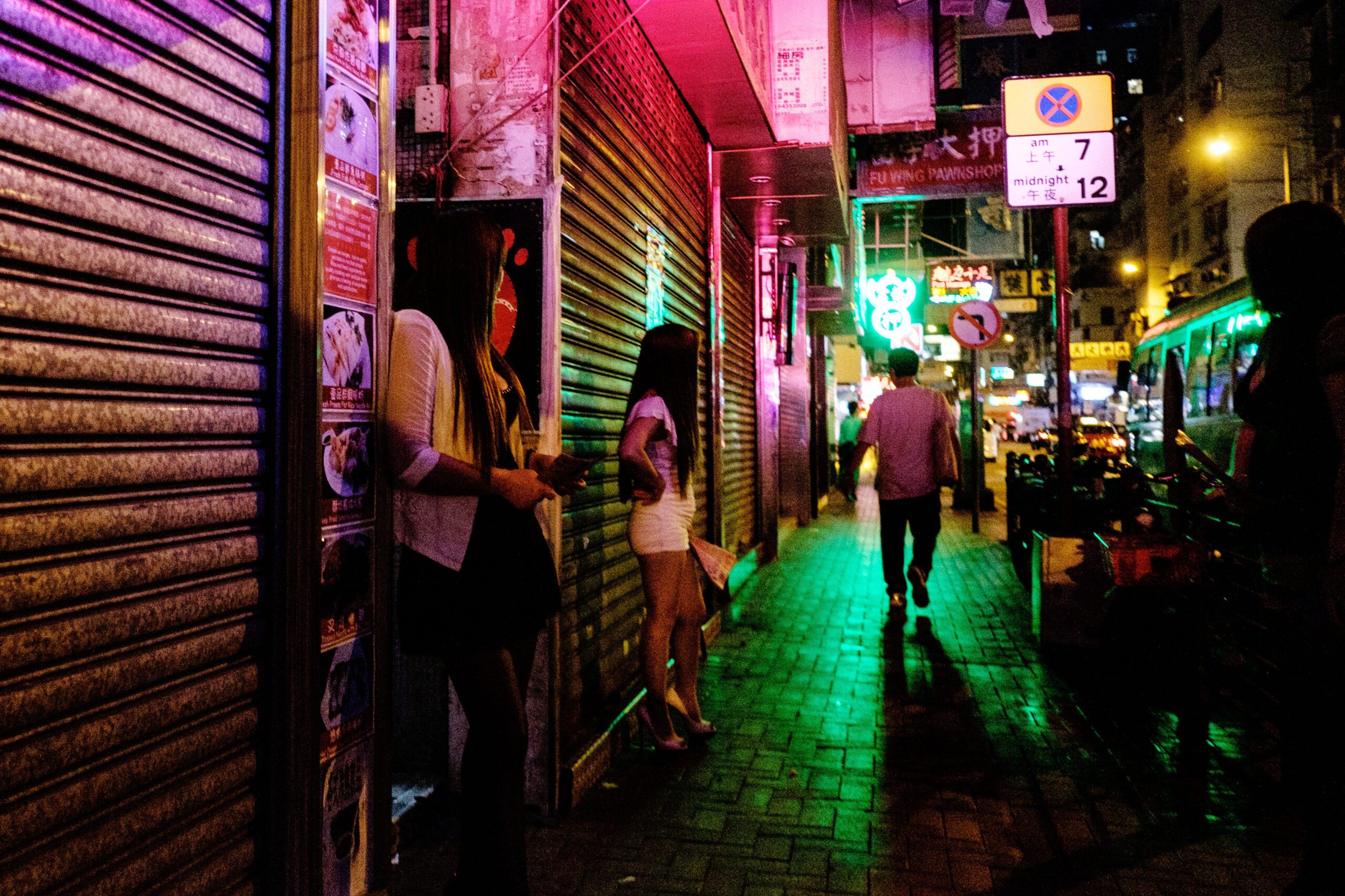
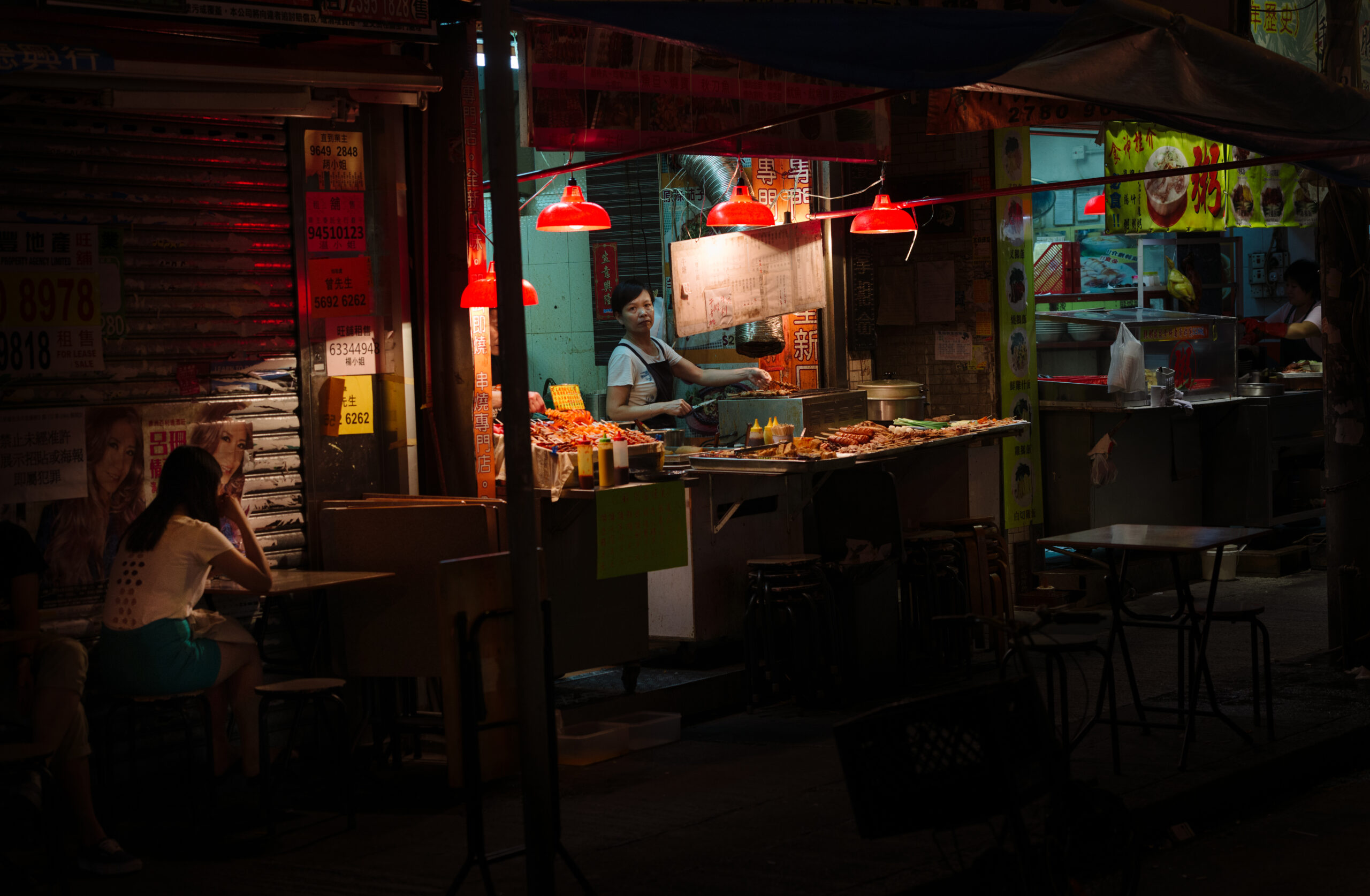
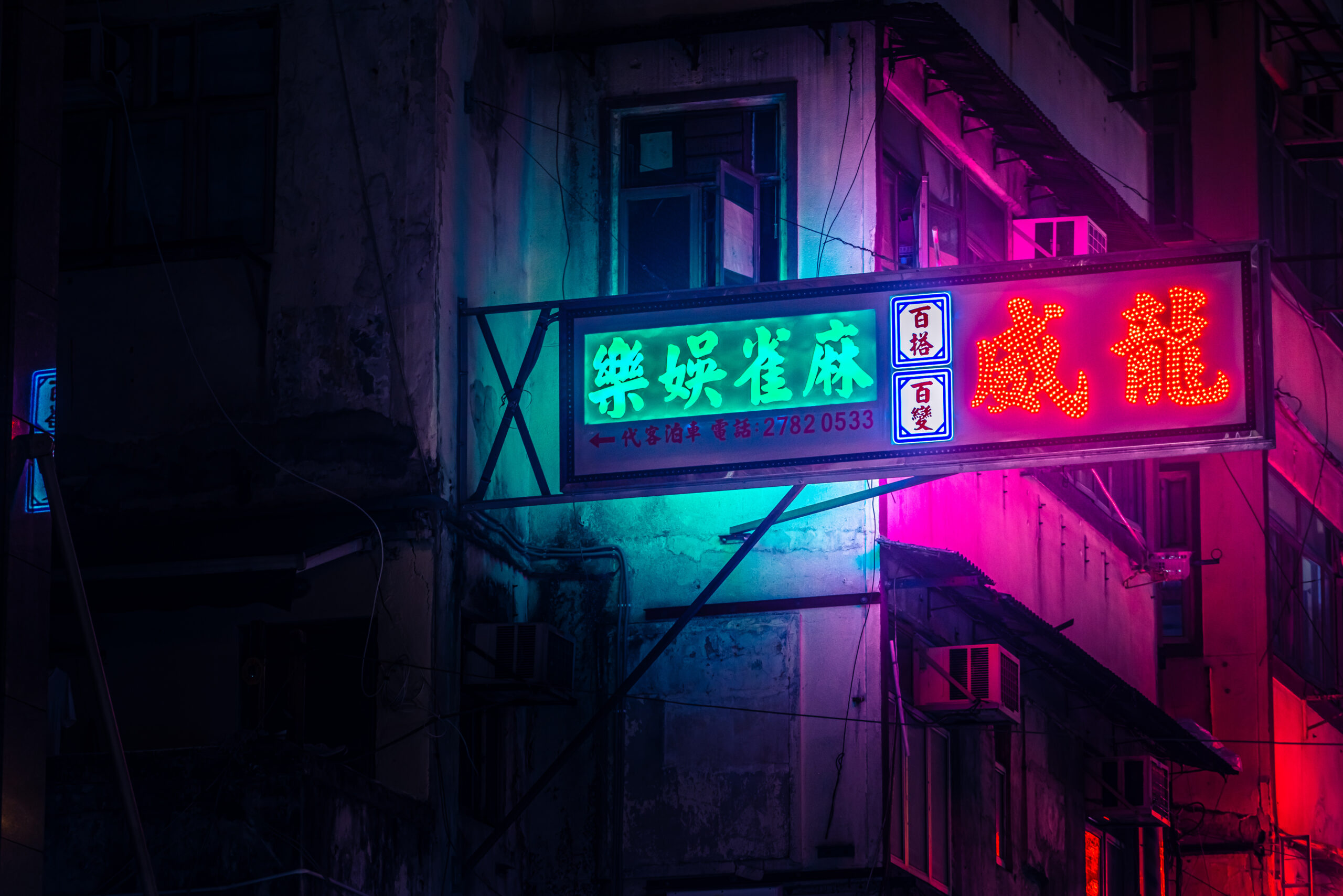
By the time the noodles hit—Lanzhou-style, pulled and slapped into shape by a guy who looks like he’s been doing this since before the Handover—you’re half drunk on tea, half drunk on nostalgia that may not even be yours. It’s all there in the bowl: star anise, clove, beef fat, the kind of broth that tastes like somebody’s spent the better part of a day giving a damn. Dessert barely registers: some delicate Chinese sweets, maybe fruit, maybe nothing at all, because the real finish is stepping back out into Central, neon humming, knowing you’ve just eaten in a club designed to remind you that eras end, skylines change, but a table like this will always make you feel both lucky to be here and vaguely like you never really belonged.After dinner, it’s back to Kowloon. The Star Ferry cuts through the black water, that old green beast, its benches worn smooth by the restless and the lost. The wind tastes of rust and salt and the ghost of empire.I don’t go straight to the bar. Nobody does, not if they’ve lived in this city long enough to know that the best parts of it happen in the margins, in the throat between one intention and another. I come off the ferry terminal at Tsim Sha Tsui and let Temple Street pull me in the way it always has — not because it’s romantic, but because it’s honest. Because it smells like soy and fryer oil and the particular breed of cigarette smoke that only survives in places too dense and too old to bother with laws. The stalls are still going. The fortune tellers still sit beneath their bare bulbs with the patient menace of men who already know what you’re about to find out.I walk past the mahjong parlors where the tiles rattle like something mechanical, like the gears of a city grinding its own teeth. An old woman hawks jade bracelets off a folding table, her voice bored and relentless, a sound that has no beginning. A man is sleeping upright on a plastic stool with a cigarette burned to nothing between his fingers, the ash holding its shape by some arrangement with gravity that doesn’t apply anywhere else. I’ve been coming here since before the handover, since the governor’s flag came down and the red one went up and life went on, as life does, as this city particularly insisted it would, and yet the version of it I walk through now is thinner than the version I once knew. The bones are the same. The flesh is redistributed. Something that used to be there — a shop where a man made noodles by hand at three in the morning, a bar where a woman who may have been seventy and may have been a hundred sang Cantopop to herself behind the register — is replaced by something selling phone cases or tour packages. I file this fact away in the same drawer where I file all the other losses. I don’t linger.I find a dai pai dong that has no English menu and no apparent interest in acquiring one. I sit on a low stool that lists slightly to the left and order whatever the man next to me is having, which turns out to be chrysanthemum tea and a plate of beef tendon, and both are exactly right. The tea is sweet in the way that cools you from the inside, not the outside, and the tendon is braised past resistance, past chewiness, into something that yields completely, like the city itself around midnight when everyone has stopped performing. I end up eating standing because a group of men arrive with the confidence of regulars and I have no standing to contest it, so I finish on my feet beside the propane flame, watching the cook work the wok with a violence that is also tenderness, the toss and catch, the oil climbing the sides, the steam rising in the orange light like a consecration of the ordinary.That’s the thing about Hong Kong that thirty-five visits cannot exhaust: its indifference. It does not care that I’ve come back this many times. It does not reward loyalty or acknowledge sentiment. It simply continues — dense, loud, layered, burning — and you are allowed to walk through it, which is the only permission worth asking for. I leave the dai pai dong with the taste of chrysanthemum still cooling my throat and turn north into the darker part of Nathan Road,The Kowloon night comes on like a fever that never properly broke. The air is thick with diesel, incense, and something older than either, crawling up from the harbor in slow, invisible fingers. The city doesn’t sleep; it lurks. Neon bleeds into the wet pavement, and every reflection looks like a version of yourself you’d rather not meet alone. You see a bar with promise.The sign out front flickers like it’s trying to remember a better decade, maybe two. Inside, the air is a slow stew of cigarette ghost, cheap rum, sweat, and something that might be history or just stubborn filth that never got scrubbed out.The walls are shipwrecked—faded photos of men in uniform, rusting anchors, a life ring from a vessel nobody remembers, pennants from ports that have long since traded sailors for cruise ships and influencers. The floor sticks just enough to warn you but not enough to stop you. Somewhere in the back, a jukebox grinds out rock songs that were already old when the youngest drinker’s parents met.At the center of it all, like an altar, is the pool table. The felt’s been re-covered more times than some of the regulars’ stories, but the corners still chew up the balls like they’re owed money. Two women hold the table the way old captains hold the wheel in a storm: bored, steady, vaguely amused at the thought that anyone else might think they’re in charge. Their eyeliner is a little too black, their laughter a little too sharp, their eyes the exact shade of trouble that always calls your name..They play lazy, like they’ve got all the time in the world and none of it is worth hurrying through. A cigarette dangles from painted lips while a cue slides through ringed fingers. Every shot is a casual act of violence: the crack of the break, a ball slamming into the pocket, the soft thud of something valuable getting smaller and further away. You realize too late they’re not here for fun. They’re here for the same reason the tide comes in—to take what isn’t smart enough to hold onto something solid.The bartender is an ex-sailor with a face like a battered map: every line a port, every scar a wrong turn. He pours your drink with the weary precision of a man who’s watched a thousand variations of you drift in, talking big, leaving smaller. The rum tastes like regret and molasses, hot on the way down, cold once it hits wherever you keep the things you try not to think about.At some point, you end up near the table. You don’t remember walking there; you just arrive, like flotsam. One of the women eyes you over the rim of her glass, a slow, assessing look that makes you feel like produce being judged for bruises. She offers you a game with a smile that isn’t a smile; it’s a contract written in lipstick and bad ideas.You lose, of course. Money, maybe. Dignity, definitely. A few drinks, a few jokes that land softer than you wanted, a brush of a hand that could mean anything or nothing. The jukebox wheezes into another song about heartbreak and highways. The neon outside smears itself across the bar’s dirty windows like a crime scene