Midnight, Punta Cana. The night had been going nowhere, which is another way of saying it was going exactly where the island wanted. The fan above the bar turned with all the conviction of a dying saint, pushing around air thick with old rum, old smoke, and something else—roots, bark, a forest that had been carved down to fit in a bottle. The place had no name printed anywhere you could see. Men didn’t come here for names. They came for the work of forgetting. What did Jimmy Buffet say about a women to blame?
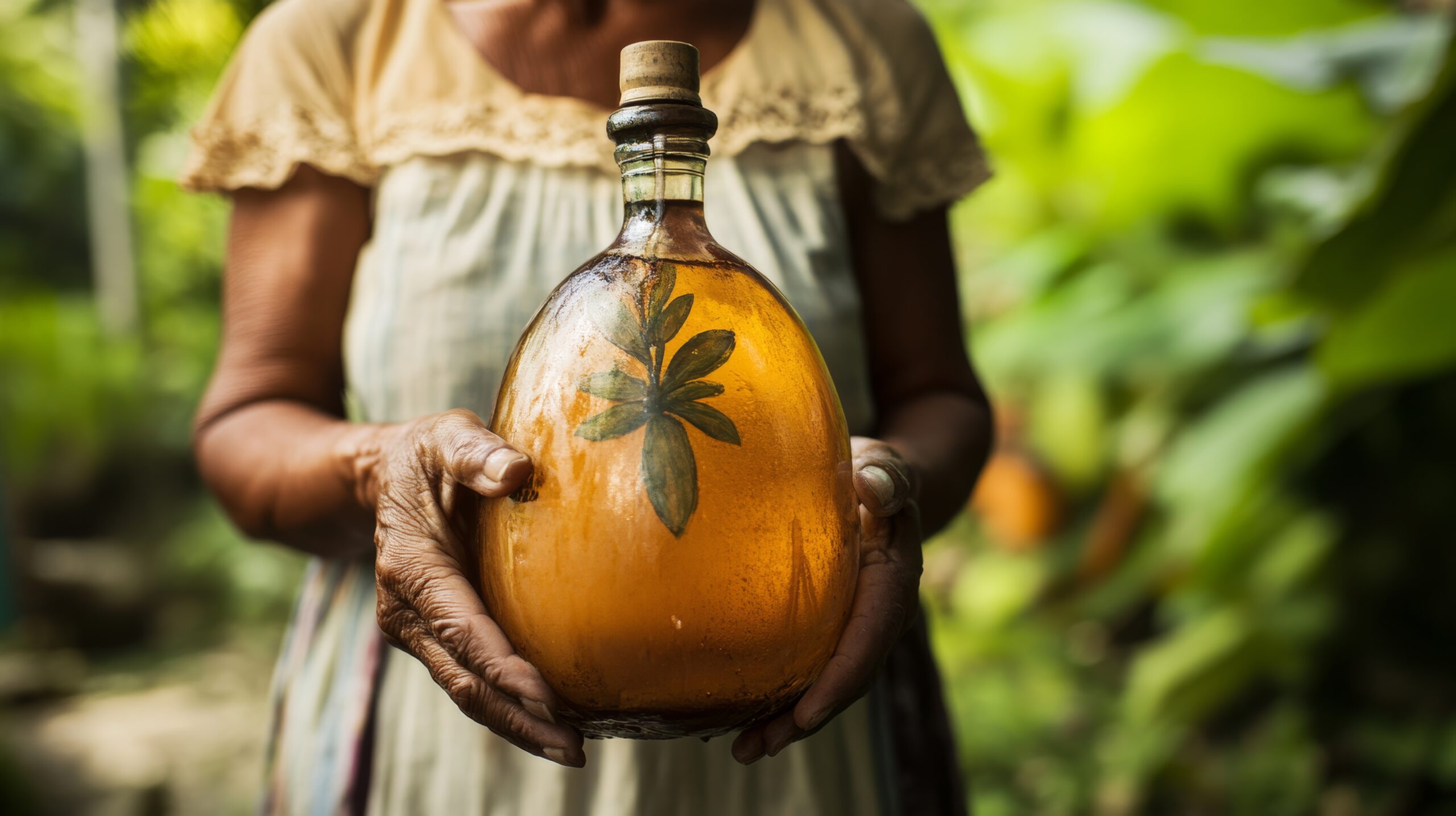
Behind the counter sat the bottle, fat and brown, stuffed with sticks like a witch doctor’s cigar box. It looked less like a drink and more like an autopsy jar, the remains of some botanical crime floating in a syrup the color of dried blood and burnt sugar. The bartender, a small man with the calm eyes of someone who’d seen too much and chosen to stay anyway, tapped the glass with his finger.
“Mamajuana,” he said, as if the word itself were a diagnosis.
He poured it into a shot glass that had known many lives, none of them sanitary. The liquid moved slow, like it had nowhere to be. It carried the perfume of a back alley pharmacy: cinnamon and clove, cheap red wine, raw rum that hadn’t yet learned manners. Underneath it all was something darker, a swampy, bitter whisper that smelled like medicine smuggled out of another century.
You raise it, because that’s what you’re here to do. The regulars lean in, amused. Gringos come and go like clouds; the bottle stays. You knock it back in one shot, because this is not the sort of thing you sip on the first try. It hits the tongue like a divulgence—sweet at first, almost charming. Honey, wine, the soft talk of an easy sin. Then the bark and roots come through, scraping the inside of your mouth with their quiet, woody truth. The rum arrives last, a hot iron laid across the back of the throat, sealing the deal.
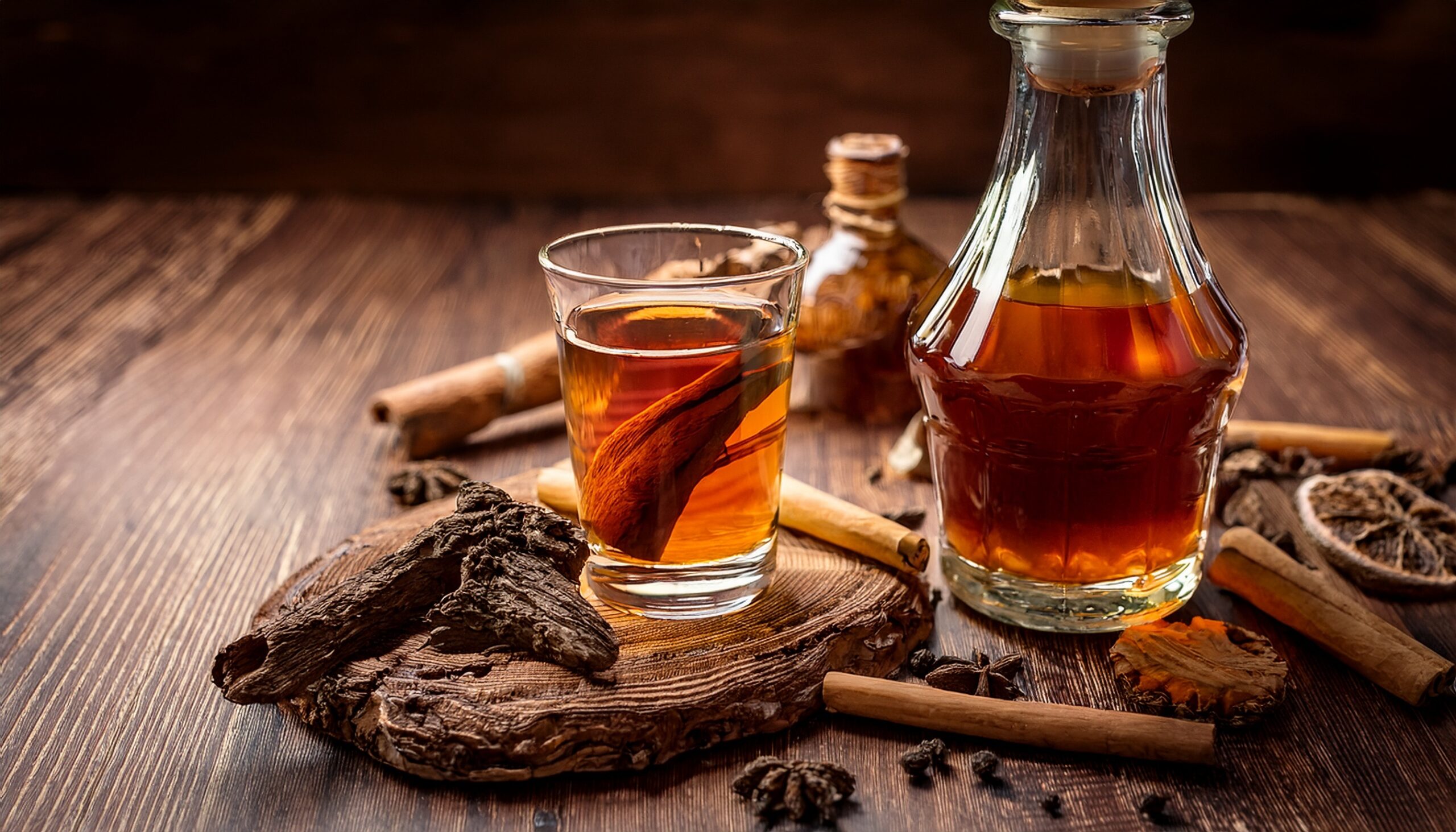
It warms you in a way that feels slightly illegal. The stomach acknowledges receipt with a slow, spreading fire, the kind that doesn’t ask permission from the rest of the body. Your veins begin to hum the old songs: the ones about lust, regret, and whatever passed for health in the days before anyone trusted a white coat.
The bartender smiles, pours another without asking. In this place, refusal would be an act of war. Outside, the Dominican night hangs heavy—motorbikes whining, bachata bleeding from a broken speaker across the street, the ocean somewhere beyond the concrete and dust, pretending to be eternal. Inside, the bar is a shrine to all things temporary: bottles half‑empty, men half‑finished, you halfway between repentance and another round.
Mamajuana has a story to tell. Someone mentions the Taíno, the old people of this island, gone like smoke in a wind that wasn’t theirs. Their medicine, their bark, their roots, now drowned in rum and sold by the shot to men who can’t pronounce their names. You look at the bottle and realize it isn’t just a drink. It’s an altar in glass, a reliquary of a people folded into the dark pages of history, poured out nightly to tourists and locals who chase courage, or sleep, or simply something stronger than the noise in their heads.
The second shot goes down easier, as sins usually do. The room softens at the edges. Language becomes optional. You are no longer a traveler; you are just another pilgrim at this crooked little church, worshipping at the brown‑glass gospel of bark and bone, rum and ruin. Mamajuana doesn’t ask who you are. It already knows.
The Goods
Core Dominican woods, roots, and vines
Herbs and spices commonly used
Can’t swing by the Dominican Republic right now? Check out Candela Mamajuana – Premium mamajuana “spiced rum” made in the DR from fresh‑pressed sugarcane, aged in bourbon casks; sold in the U.S. through retailers like Total Wine, online shops, and some international markets.